
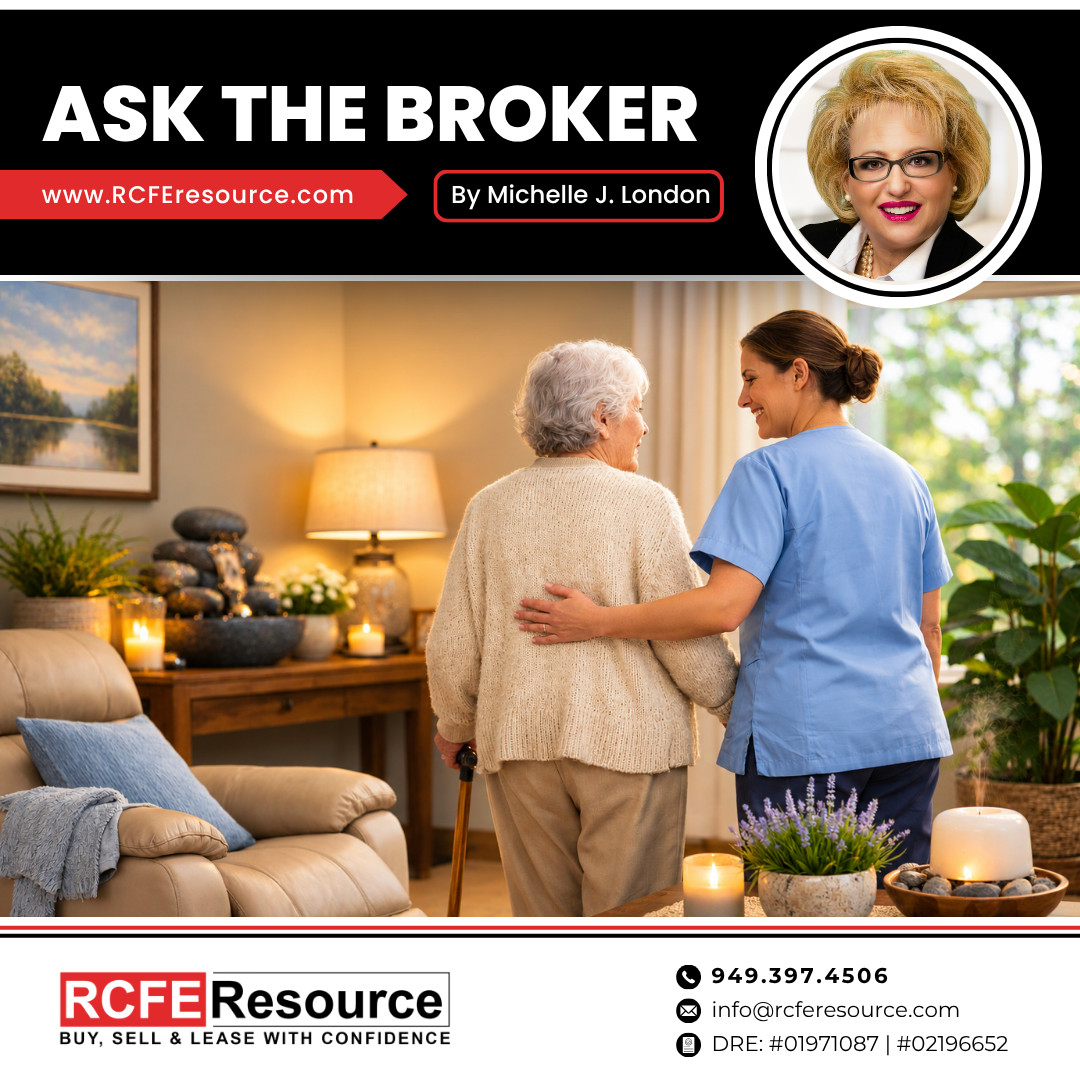
Q: How can I restore the tranquility of my care home?
A: Chaos is contagious — but so is calm. In assisted living, the emotional tone of a home doesn’t just happen; it’s engineered through leadership, environment, and rhythm. A peaceful home is not the absence of activity — it’s the presence of intention.
Leadership That Sets the Tone
Calm begins with leadership. When administrators and caregivers model composure, clarity, and empathy, that energy ripples through the entire home. Residents sense it. Families feel it. Staff mirror it.
A calm leader doesn’t rush — they guide. They communicate expectations clearly, respond thoughtfully, and create space for others to breathe. In moments of stress, their steadiness becomes the anchor everyone else holds onto.
Environment That Encourages Serenity
The physical environment reinforces emotional stability. Soft lighting, gentle transitions between spaces, and predictable visual cues help residents feel safe and oriented. Background noise is minimized, and décor choices lean toward warmth and familiarity — not stimulation.
Even small environmental adjustments make a big difference:
Dim harsh overhead lights during evening hours.
Use soothing color palettes like sage, sand, and cream.
Add plants or natural textures to reconnect residents with rhythm and life.
Keep pathways clear and transitions smooth to reduce anxiety.
A calm environment communicates care before a word is spoken.
Rhythm That Reduces Stress
Predictable routines are the heartbeat of a peaceful home. When residents know what’s coming next, they relax. When staff move in sync, operations flow. Gentle transitions between meals, activities, and rest periods prevent the emotional whiplash that often leads to agitation.
Rhythm builds trust — and trust builds calm.
Communication That Creates Connection
Clear, compassionate communication is the invisible thread that holds calm together. When caregivers speak slowly, maintain eye contact, and use reassuring tone, residents feel respected and understood. Families notice the difference immediately. Calm communication turns ordinary interactions into moments of dignity.
The Ripple Effect of Calm
A calm home is easier to staff, easier to manage, and easier to love. It attracts caregivers who value stability, families who appreciate professionalism, and residents who thrive in emotional safety. Calm isn’t passive — it’s active leadership expressed through grace.
If you’d like help designing a calmer operational flow — from environmental adjustments to staff rhythm and communication — we’re happy to support you quietly and thoughtfully.
Join The Discussion